Highlights
MIRACLES—Mystics panels 11/02/08 12:11 Page 11 Anne Catherine Emmerich was forced to abandon the monastery in which she lived because it was being appropriated by the government, In that period, her health declined and the mystical experiences increased: she received the stigmata and had numerous visions, One of these allowed the finding of the house of Our Lady in Ephesus, In fact, according to antique traditions, it seems that Mary settled, together with John the Apostle, in this city, The miraculous aspect of the life of Anne Catherine is that for years she fed only on the Eucharist, nne Catherine Emmerich was born in Germany on September 8, 1774 into a family of farmers and began to work very early. Later on, a religious vocation matured and she asked to be admitted in several monasteries, but she was always rejected because she was very poor and had no dowry. Only when she was twenty-eight years old she was accepted in the monastery of Agnetenberg, where she joined the monastic life with fervor, always ready to take the most difficult tasks.
One night while she was praying, Jesus appeared and offered her a crown of roses and a crown of thorns. She chose the crown of thorns and Jesus put the crown on her head. Suddenly, around her forehead appeared the first stigmata. Later on, after another apparition of Jesus, the wounds also appeared in the hands, feet and side.
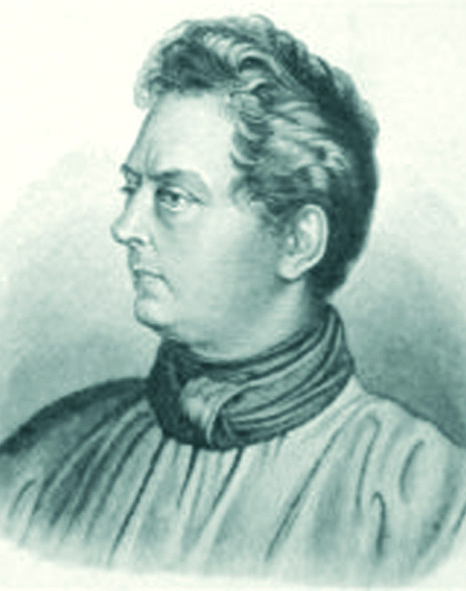
In 1811, the monastery of Agnetenberg, BLESSED ANNE CATHERINE EMMERICH GERMANY, 1774-1824 Portrait of Clemens Brentano ill and was bedridden. visited her and remaine ery i pressed by the stigmata. During the eleven years that followed, he became her friend and faithful assistant, having also a diary in which he would transcribe her visions.
Meanwhile the nun had practically stopped eating: a little bit of water and the Consecrated Host were enough to keep her alive for years. She was very devoted to, and wrote many pages about, the Holy Eucharist: "My desire for the Holy Eucharist was so vehement and irresistible that, at night, I would often leave my cell to enter the Church... Often I would genuflect and prostrate towards the Blessed joined her suffering with that of Jesus, and offered it for the redemption of men.
The most famous biographer of Anne Catherine was the German writer, Clemens von Brentano, who wrote all her visions. Brentano compiled thousands of pages about the Blessed, many of which must still be published. In one of his most famous passages he wrote: "Anne Catherine stands like a cross at the side of the street, to indicate the right direction to the faithful.
That which she says is brief but simple, full of depth, warmth and life. I understood everything. Always happy, affectionate, dignified, marvelous; always ill, agonizing, but at the same time delicate and fresh, chaste, tried, lucid. To be seated at her side meant to occupy the most beautiful place in the world".
🔬 Scientific & Forensic Investigation
Rigorous histological, immunological and chromatographic analysis verified authentic human tissue with no chemical preservatives.
Relic Gallery & Historical Records
Fotografias em alta definição das sagradas relíquias, basílicas e documentos históricos catalogados por São Carlo Acutis. Clique para ampliar.
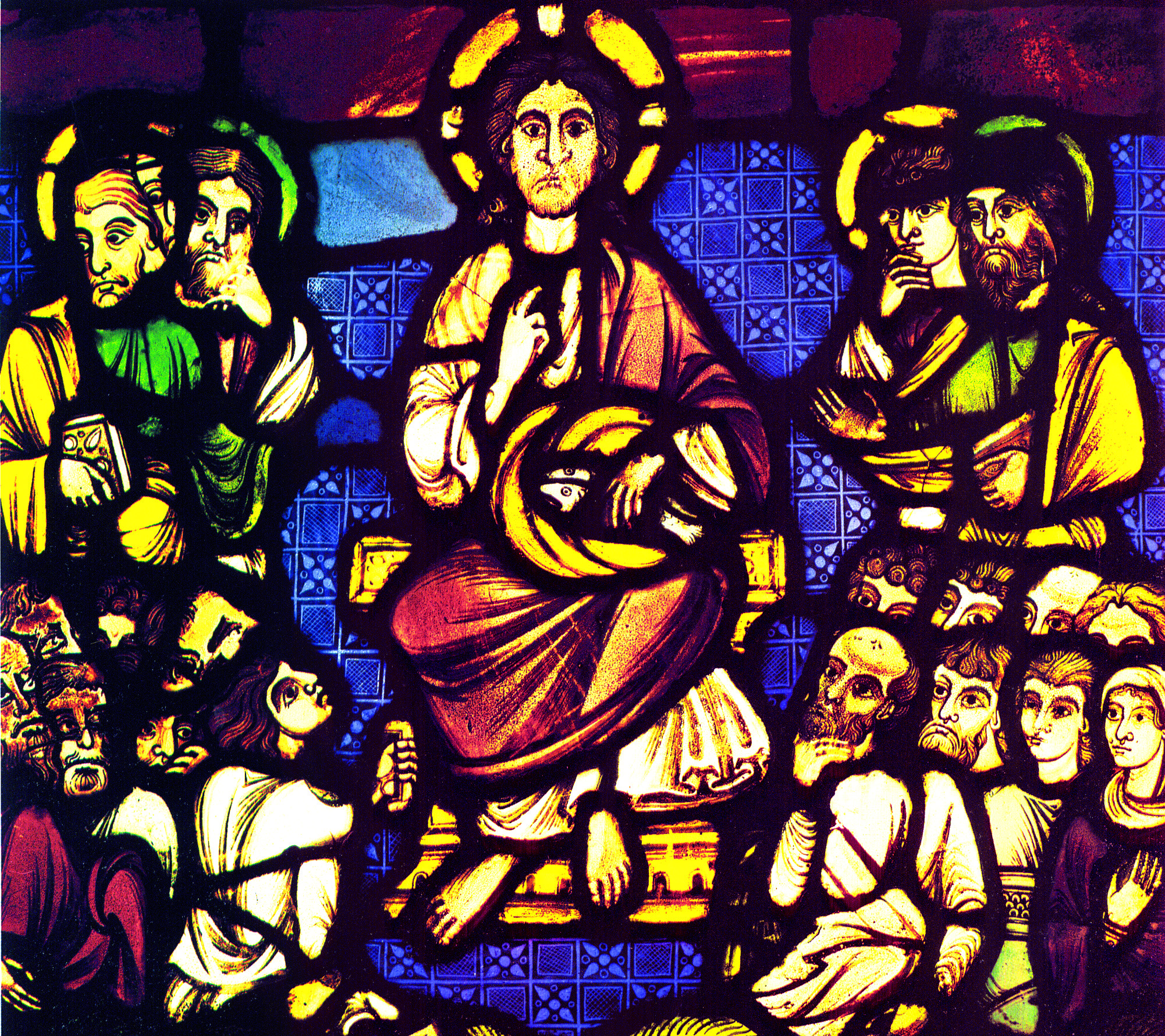
Gilded reliquary and sacred relic preserved from the Eucharistic Miracle of Emmerich
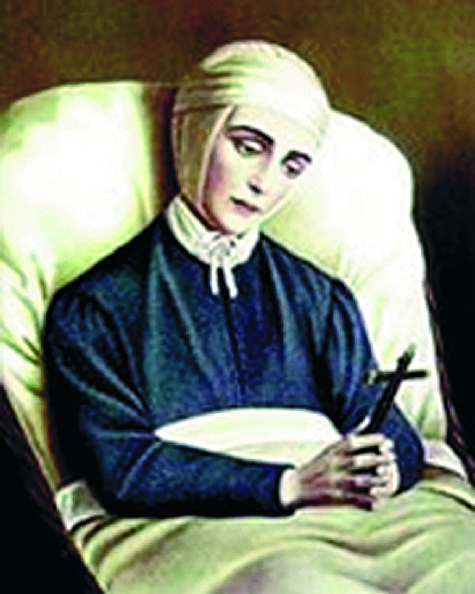
Portrait of Anne Catherine Emmerich Sacrament with extended arms, and sometimes I would enter into ecstasy". Anne Catherine always
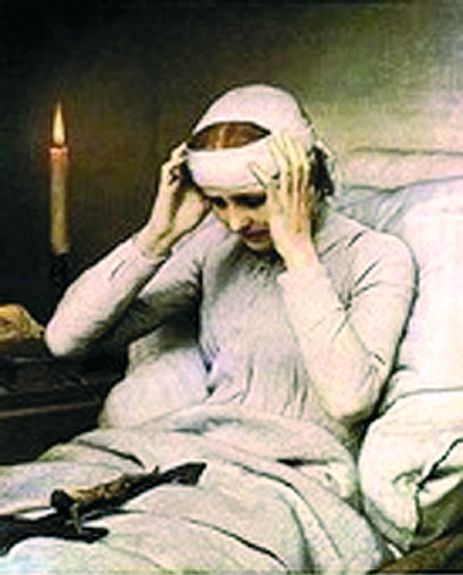
was suppressed. Anne Catherine found hospitality, as a housekeeper for a priest; but soon she became
the visions of Anne Catherine
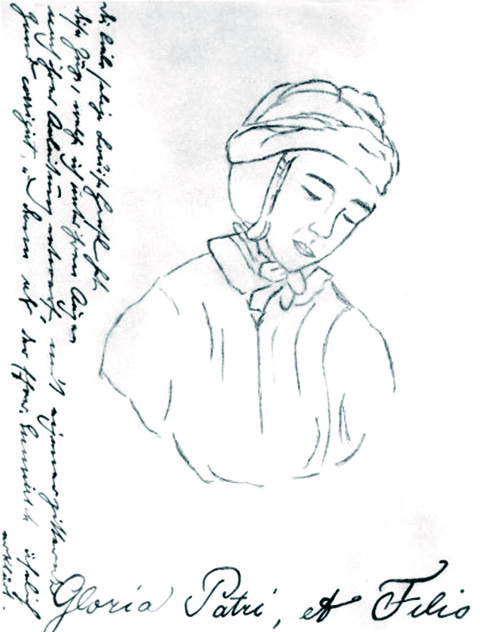
Drawing by Clemens Brentano
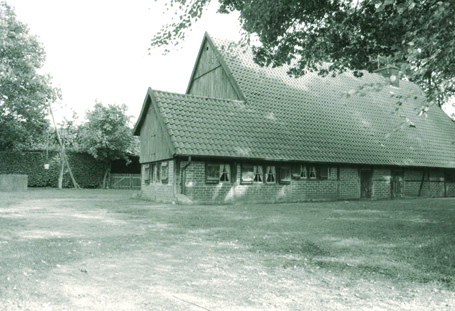
House where Catherine was born
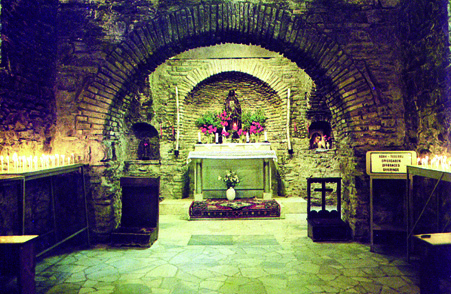
House where Our Lady lived in Ephesus, found thanks to
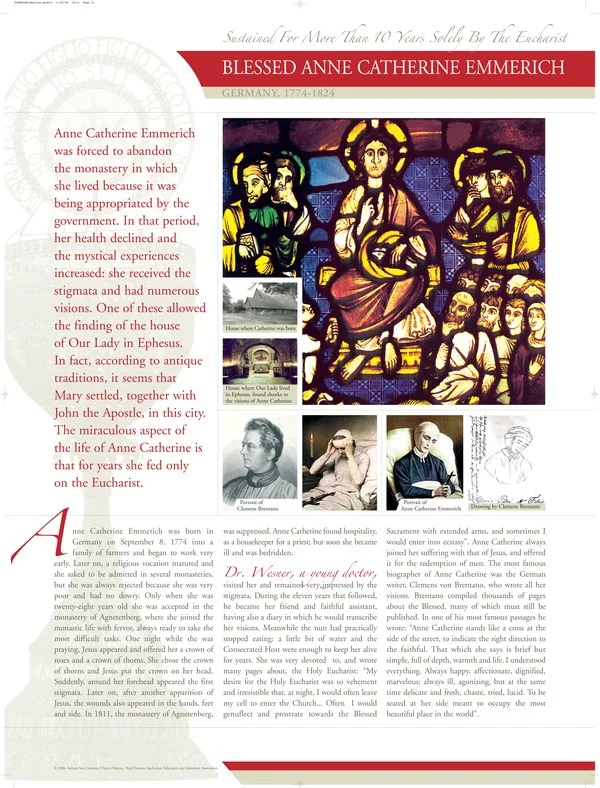
Original Exhibition Panels by Saint Carlo Acutis (300 DPI)
Inspecione a composição gráfica original em alta resolução (300 DPI, formato 60×80 cm), com o design e tipografia preservados exatamente como idealizados pelo autor.